
6 Things to Discuss with Your Painting Contractor
By Clair Brummer | December 1, 2025
Transforming your home or business with a fresh coat of paint can feel exciting, but it’s also a project that works best when expectations and communication are clear from the very beginning. Whether you’re planning a small interior refresh or a complete exterior overhaul, understanding the right topics to discuss with your painting contractor helps ensure your project runs smoothly, stays on budget, and delivers the results you want. A strong conversation up front eliminates guesswork, prevents mid-project surprises, and supports a much more enjoyable experience from start to finish. Thinking ahead also makes you a more confident homeowner, because you’ll know exactly what to ask and what to look for before any work begins.
1. Discuss the Project Details
Before anything else, you’ll want a clear and detailed conversation about the project scope, timeline, materials, and expectations. This is where you and your painting contractor align on what areas will be painted, whether the project includes both interior and exterior spaces, and whether any special finishes, cabinet updates, custom painting, or wallpaper changes are part of the plan. Taking the time to outline the full scope ensures that nothing gets lost along the way and minimizes the risk of last-minute additions that can slow your progress or increase your budget. It also helps the contractor understand the amount of labor, materials, and preparation involved.
During this stage, be sure to talk about timing—when the project starts, when certain phases need to be completed, and whether anything about your schedule requires special accommodation. Weather, temperature, and humidity can also affect exterior work, so understanding how these factors influence the timeline can prevent frustration later. When selecting paint and materials, remember that quality matters. According to This Old House, interior paint contains four primary component types: additives, binders, pigments, and solvents. Knowing the differences and discussing brand choices helps you feel confident that your space will get a long-lasting and beautiful finish. You should also go over your budget early and review payment terms so there are no surprises. Finally, ask about the contractor’s experience, portfolio, and credentials to confirm you’re working with someone who has the skills to bring your vision to life.
2. Prepare the Surfaces Properly
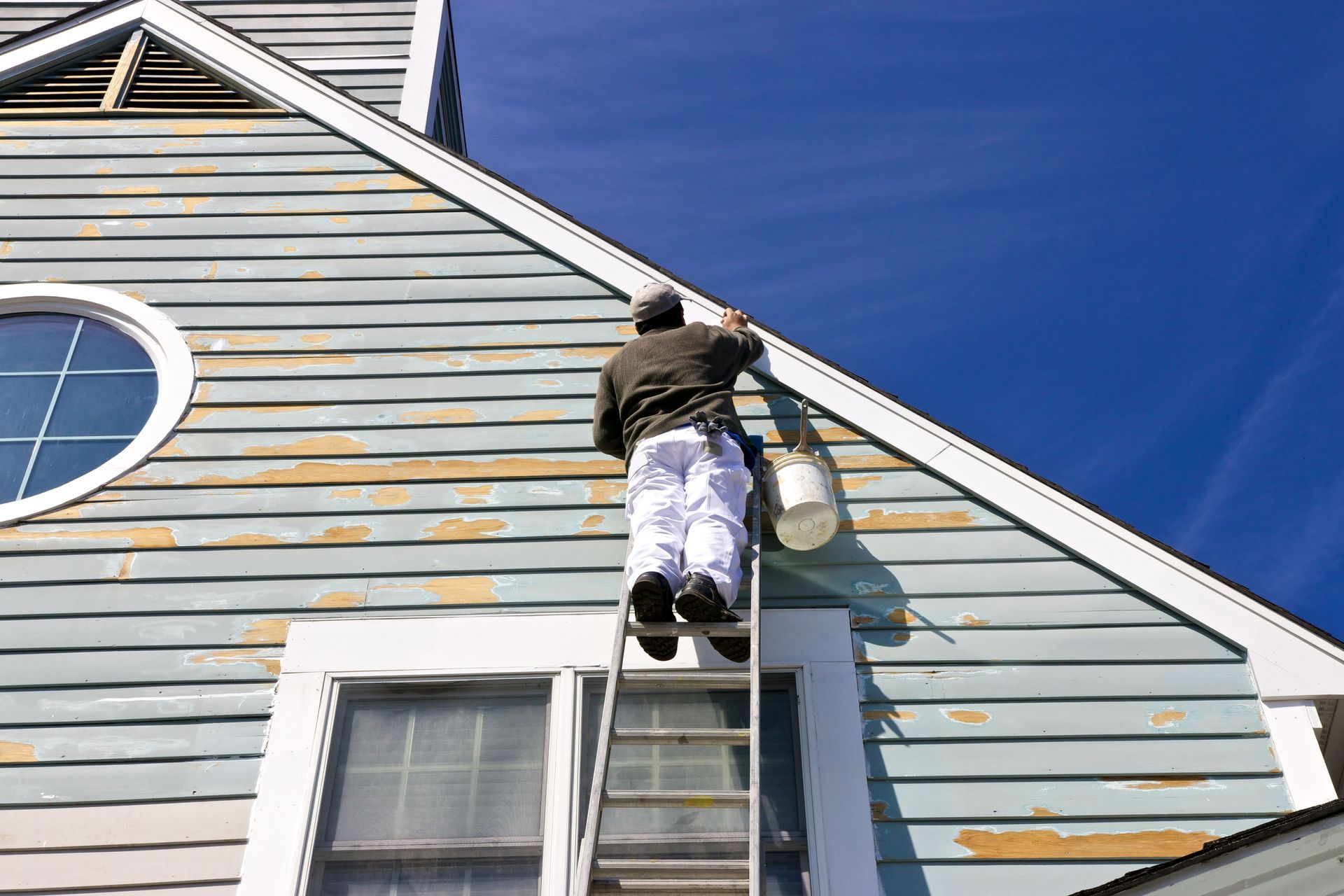
Surface preparation is one of the biggest factors influencing final results, and it’s essential to walk through this process with your painting contractor. Talk through how they plan to clean surfaces, including any pressure washing, sanding, or scraping that will be needed. A clean, smooth foundation allows paint to adhere better and prevents issues like peeling or cracking. Many homeowners underestimate how much labor goes into proper prep, but this step is truly what separates a professional job from a patchy or uneven one.
You’ll also want to discuss repairs, such as filling holes, smoothing rough patches, or addressing minor drywall problems. These tasks may be part of the initial quote or may require an additional fee, so transparency is important. Masking and protection are equally critical—your contractor should explain how furniture, trim, cabinets, floors, and landscaping will be covered to keep your home safe throughout the project. Knowing their preparation strategy reassures you that every surface will be respected and treated with care.
3. Review the Techniques and Methods
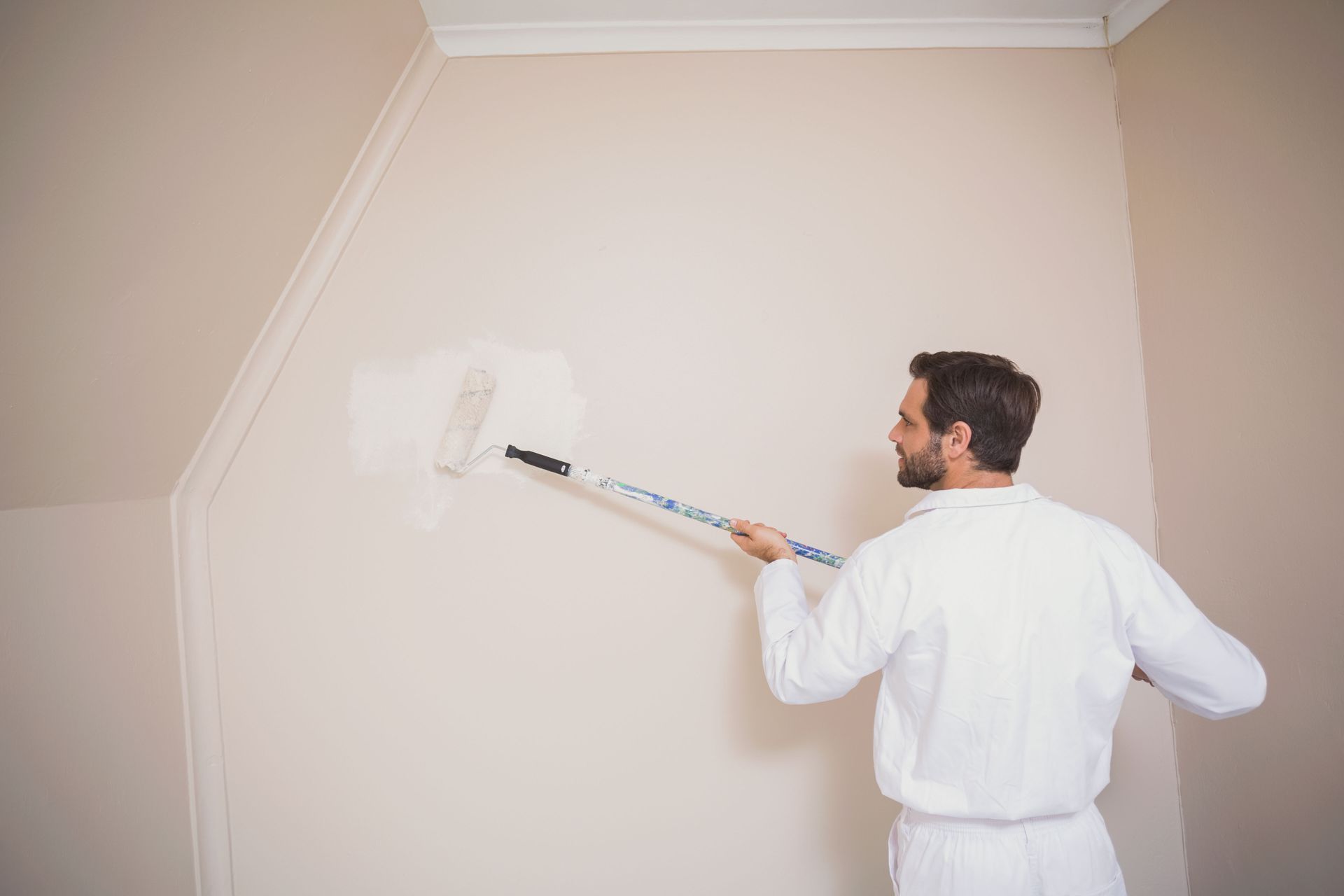
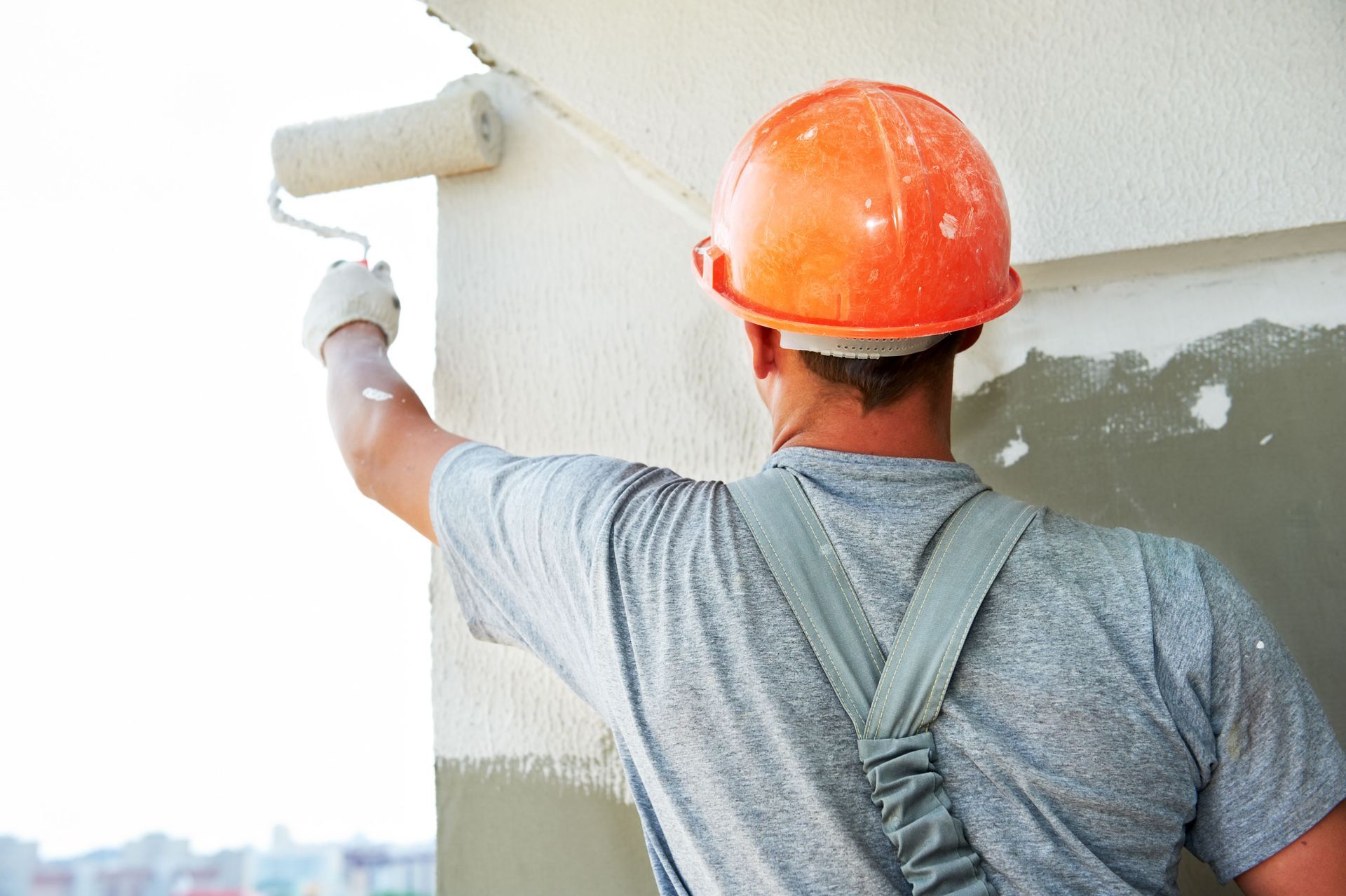
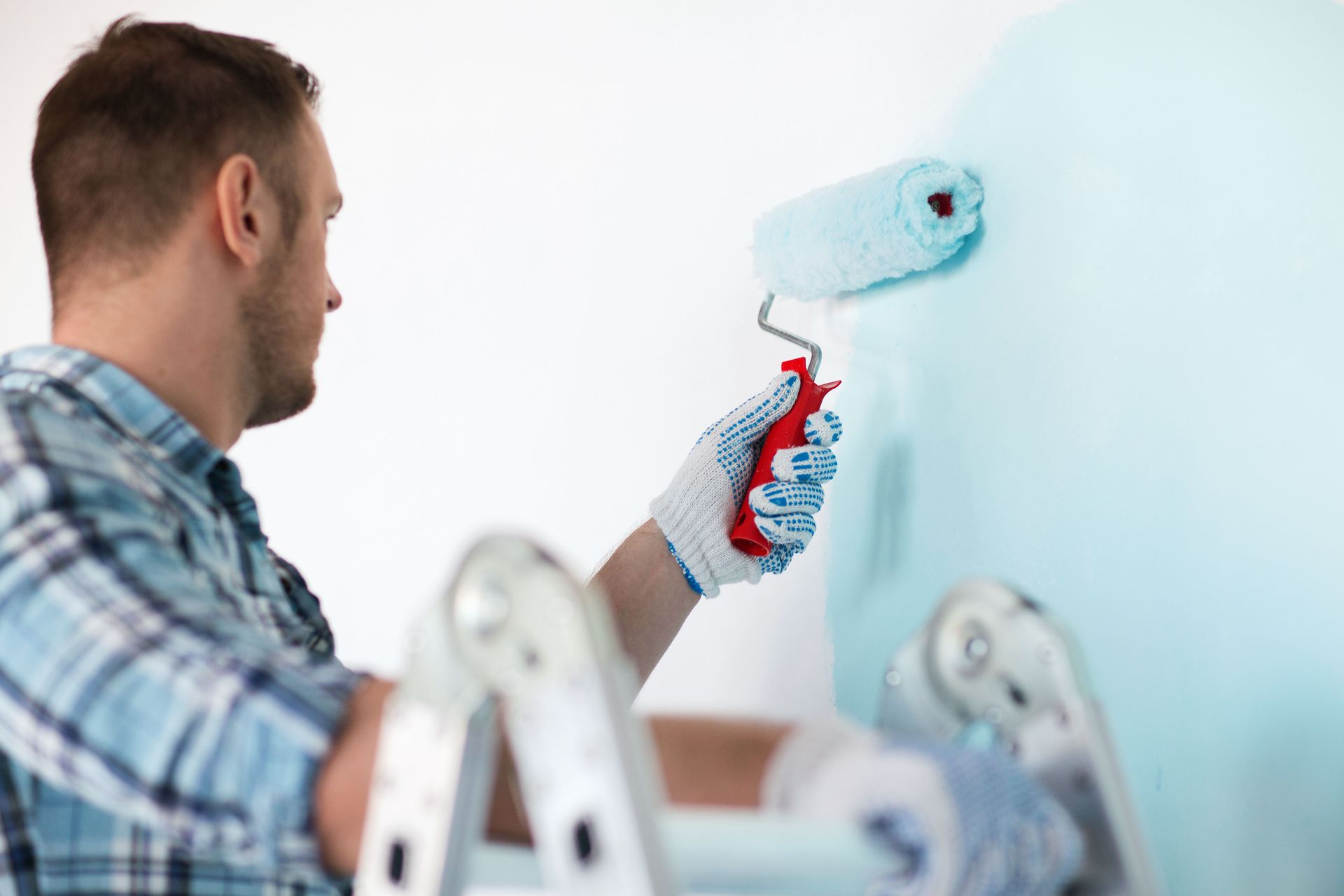
Understanding the techniques your painting contractor plans to use helps you visualize the final result and choose the best approach for your home. Brushwork, rolling, and spray application each offer unique advantages, and the right choice often depends on surface type, location, and the aesthetic you’re trying to achieve. For example, brush and roller methods may be ideal for interior walls where precision and even texture matter, while spraying might be better for large exterior surfaces that require fast and uniform coverage.
Coats of paint are another important detail to agree on. Most projects require at least two coats, but some colors or finishes may need more. Your contractor should also explain your finish options—including matte, satin, semi-gloss, or gloss—and how each one performs in terms of maintenance, light reflection, and durability. Special textures or decorative techniques, such as faux finishes or patterned applications, can add visual interest but may require more labor. If your space has challenging areas like high ceilings, tight corners, or detailed trim, discuss how the contractor plans to handle them and what specialized tools may be necessary. These conversations ensure you understand how every part of the job will be executed.
4. Ensure Quality Throughout the Project
Quality assurance is an essential topic that deserves just as much attention as color or paint type. Start by asking your painting contractor how they conduct inspections throughout the project. Regular check-ins allow you to address concerns early and prevent larger issues from forming. You should also discuss rectification procedures—how the contractor handles mistakes, imperfections, or anything that doesn’t meet your expectations. These policies help maintain a professional working relationship and build confidence in the finished result.
Many professionals offer satisfaction guarantees that protect you if you are displeased with the job. Before closing the project, you and your contractor should plan a final walkthrough to review each section of the work, note any touch-ups, and verify that everything looks as expected. A clear process for delivering feedback also helps both parties improve communication and strengthens the working relationship for future projects.
5. Manage Communication and Logistics
Strong communication is one of the most important factors that determines whether your painting project feels smooth or stressful. Establish a clear point of contact so you always know who to call with questions or updates. Decide whether communication will happen by text, email, or phone, and set expectations for how often updates will be provided. Regular progress reports help ensure everyone stays aligned and allow you to catch issues early.
Scheduling and access are also important discussions. Every home or business has unique routines, and effective planning helps minimize disruptions. If change orders arise, having a procedure in place prevents confusion and keeps the project moving forward. You should also have a basic emergency plan in case weather, supply delays, or unexpected issues impact the schedule.
6. Complete the Project and Finalize Details
Cleanup and completion are the final steps to review with your painting contractor, and they make a big difference in how satisfied you’ll feel at the end. Discuss how leftover paint, materials, or debris will be removed or disposed of, especially if certain products require special handling. Area restoration is equally important—the contractor should leave your home clean, organized, and free of dust or spills so you can enjoy your refreshed space immediately.
Final assessments allow you to carefully evaluate the work. This is the moment to note any imperfections, request touch-ups, and verify that the project meets your expectations. Closing documentation should include receipts, payment confirmations, and any warranty information that applies to the job.
A well-planned conversation with your
painting contractor not only improves the quality of your project but also makes the entire experience more enjoyable. When communication is open, expectations are clear, and every detail has been discussed up front, the final result is something you can feel proud of for years to come. If you’re ready to refresh your home or business with high-quality interior or exterior work, reach out to us at Brummer Paint & Restoration to schedule your consultation today. Our team is ready to bring your vision to life with precision, professionalism, and a commitment to exceptional results.





Share On: